8 Small Wins You Might Be Overlooking
Progress can be easy to miss when the big problem is still there. Eight everyday examples to help you notice what you did differently.
You finish the week with the same unfinished project and the same crowded calendar. It’s tempting to say nothing changed. But maybe you asked someone to share the work, or started the conversation you’d been avoiding.
A small win is a specific step or change worth noticing, even when the larger problem remains. It can be something you tried, a limit you kept, or a different response in a familiar situation.
These examples are invitations to look back, not a list you need to complete. See whether one reminds you of something that actually happened. You don’t have to find a bright side to every hard day.
-
01
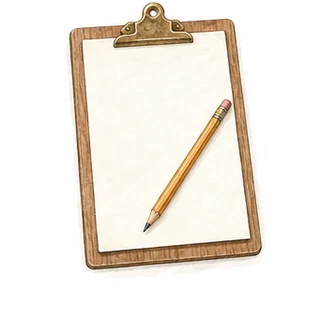
You started before you felt ready
You opened the draft and wrote the awkward first paragraph. Or you made the call without rehearsing every possible answer. The work may still be unfinished, but you’ve taken a step you were avoiding.
Write down what you did: “I sent the rough outline for feedback.” That’s more useful to remember than deciding whether you were productive enough.
-
02
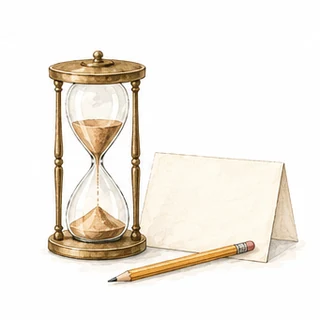
You paused before saying yes
Someone asked for a favor and you said, “Let me check first.” You may have agreed later. The change was giving yourself time to consider the request.
If you usually answer before thinking, that pause is worth noticing. What helped you remember to take it?
-
03
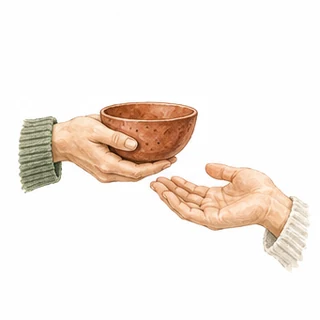
You asked for help while it could still help
You told a colleague you were stuck before the deadline. You asked your partner to handle pickup instead of trying to be in two places at once.
The request might have felt uncomfortable. You still gave someone a clear chance to share the work. If you want words for the next request, try our guide to asking for help.
-
04
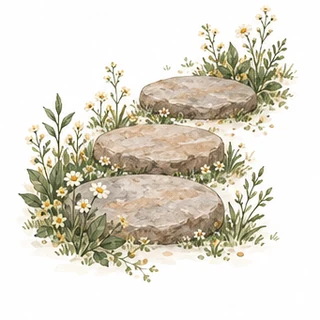
You returned after missing a day
You went for a walk after a week indoors. You picked up your notebook again. You had a conversation you’d put off after the first attempt went badly.
Notice the return itself. Missing days doesn’t erase what you did today, and you don’t need to make up every missed opportunity at once.
-
05

You gave someone your attention
You put your phone down and heard the rest of the story. Or you noticed you were distracted, said so, and asked the person to start again.
It may have lasted a few minutes. If being more present matters to you, those minutes are an example of putting it into practice.
-
06

You left something for tomorrow
You stopped checking an email thread once your part was done. You left a nonurgent chore so you could get some rest.
The detail matters: what could safely wait, and what did you make room for instead? Rest can be a deliberate choice, even when the list isn’t empty.
-
07
You put something right
You corrected a misunderstanding instead of hoping it would disappear. You apologized for interrupting and made time to listen.
The other person may still be upset. You can recognize taking responsibility without treating your apology as the end of their experience.
-
08

You changed a plan that wasn’t working
You moved a walk from morning to lunchtime, reduced what you promised, or admitted you no longer wanted the same goal. The useful change might be making the plan fit your life.
Ask what you learned from trying it. Changing direction after that is different from declaring the whole effort wasted.
Make the change specific
Compare “I’m getting better at boundaries” with “On Thursday I checked my calendar before agreeing to the extra shift.” The second gives you a moment to return to. Later, you can look for whether that choice becomes easier or more common.
Try finishing this sentence in your own words:
“I usually ____. This time, I ____. What helped was ____.”
You don’t need an answer for every blank. This is a way to notice a difference, without claiming that one good day has changed everything.
Connect a win to what you want to keep practicing
If listening at dinner felt worthwhile, “Be present with my family” might be an intention you want to keep. If you asked for help, you might choose “Let people share the load.”
Clarido helps you put that intention on your lock screen and check in on what happened. Your own examples can give you something concrete to discuss when you reflect. For a simple way to look back, try our five evening reflection questions.
When progress is hard to see
What if I can’t think of a win?
You can leave it blank. Try describing the day without judging it, or ask what made it hard. A list of wins is only useful if it reflects your experience. You don’t need to invent one to finish an exercise.
Does a small win mean my problem is getting better?
Not necessarily. One different choice is one piece of evidence. Look at what happens over time, including what stays difficult. You can appreciate a useful step and still need more support or a change in circumstances.
What if other people seem to be doing much more?
Compare the moment with your own earlier choices. Someone else’s milestone won’t tell you what this step required of you. These reminders for when you feel behind explore that comparison in more detail.
Get the next essay
Occasional articles on choosing what matters and returning to it. Unsubscribe anytime.